


Best VPS for High-Traffic Websites: CPU, RAM and Performance Compared
How powerful does a VPS need to be for a high-traffic website? The common answer is to buy more CPU cores and more RAM as traffic grows. But website performance does not scale that simply.…

Cheap VPS vs Premium VPS: Is Paying More Actually Worth It?
A cheap VPS may cost significantly less than a premium VPS while advertising similar CPU cores, RAM and NVMe storage. So why pay more? The answer is not as simple as “premium VPS is faster.”…

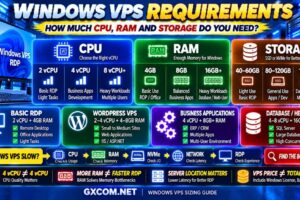
Windows VPS Requirements: How Much CPU, RAM and Storage Do You Need?
How powerful does a Windows VPS actually need to be? For basic Remote Desktop tasks, a modest Windows VPS may be enough. Business applications, databases, multiple users and heavier workloads can require significantly more CPU,…

How Much RAM Does a Linux VPS Need? 1GB vs 2GB vs 4GB vs 8GB
How much RAM does a Linux VPS actually need? For some workloads, 1GB is enough. A small WordPress site may be more comfortable with 2GB. A growing application or multiple websites may benefit from 4GB,…

Best VPS for WordPress: Performance, RAM and Hosting Compared
Moving WordPress to a VPS can deliver more control, better scalability and stronger performance than traditional shared hosting—but only when the server is properly sized and configured. A bigger VPS does not automatically create a…

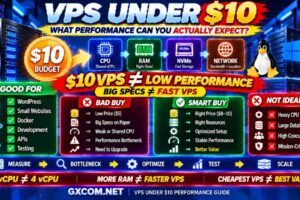
Cheap VPS Under $10: What Performance Can You Actually Expect?
A VPS under $10 per month sounds almost too cheap to be useful. Yet low-cost virtual private servers can handle surprisingly capable workloads when the server is properly sized and the application is optimized. The…
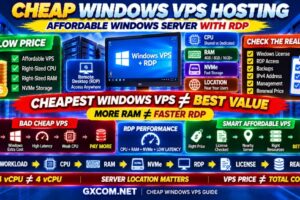
Cheap Windows VPS Hosting: Affordable Windows Server With RDP
Cheap Windows VPS hosting can give you a remote Windows Server environment with administrator access, dedicated resources and Remote Desktop Protocol (RDP) without the cost of renting an entire physical server. But finding an affordable…
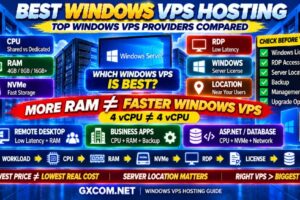
Best Windows VPS Hosting: Top Windows VPS Providers Compared
Windows VPS hosting gives you a virtual Windows Server environment with dedicated resources, administrative access and the ability to run Windows applications remotely. But choosing the best Windows VPS is more complicated than comparing CPU…

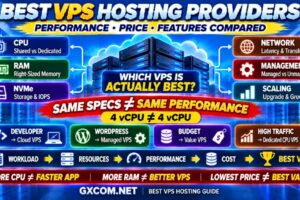
Best VPS Hosting Providers: Performance, Price and Features Compared
Choosing the best VPS hosting provider is not simply a matter of finding the most CPU cores, the most RAM or the lowest monthly price. Two VPS plans can advertise similar specifications and still deliver…

Best Hosting for High-Traffic Websites: Performance and Scalability Compared
High-traffic websites need more than a hosting plan with a large storage allowance and an impressive bandwidth number. As traffic grows, website performance increasingly depends on CPU capacity, memory, database efficiency, caching, storage performance, network…
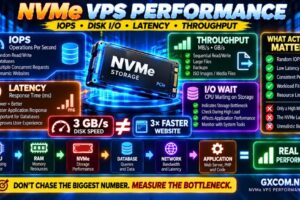
NVMe VPS Performance Explained: IOPS, Disk I/O and What Actually Matters
NVMe has become one of the most common performance claims in VPS hosting. Providers advertise NVMe storage, impressive read and write speeds, and sometimes extremely high IOPS figures. At first glance, choosing the fastest VPS…

How to Manage an Unmanaged VPS: Security, Updates, Backups and Monitoring
An unmanaged VPS gives you flexibility, control and often excellent price-to-resource value—but it also makes you responsible for keeping the server secure, updated, backed up and healthy. Buying the VPS is the easy part. The…

How Much Does VPS Hosting Cost? Pricing, Resources and Hidden Fees Explained
VPS hosting can cost less than a premium shared hosting plan—or hundreds of dollars per month for a powerful managed server. That enormous price range makes a simple question surprisingly difficult to answer: How much…

Is NVMe VPS Worth It? Real-World Performance vs Regular SSD VPS
NVMe VPS hosting is everywhere. Hosting providers advertise NVMe storage as faster, lower-latency and better suited to modern websites and applications than traditional SSD VPS hosting. Technically, that is true: NVMe was designed to take…

What Is Unmanaged VPS Hosting? How It Works and Who Should Use It
Unmanaged VPS hosting gives you virtual server resources and administrative control without paying the hosting provider to manage the server for you. That usually means you are responsible for installing software, securing the server, applying…