

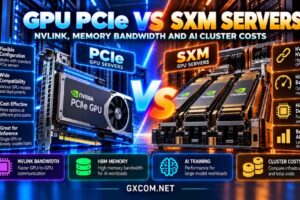
GPU PCIe vs SXM Servers: NVLink, Memory Bandwidth and AI Cluster Costs
Two GPU servers can advertise the same accelerator family yet deliver very different results when a model spans multiple devices. The difference may involve the GPU form factor, interconnect topology, power limits, and the way…
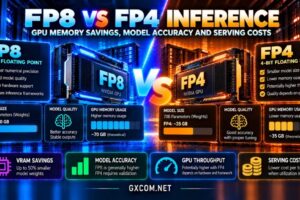
FP8 vs FP4 Inference: GPU Memory Savings, Model Accuracy and Serving Costs
Running large language models is expensive when GPU memory limits batch sizes, model placement, and the number of concurrent requests. Lower-precision inference can reduce those constraints, but choosing a smaller numerical format introduces new questions…

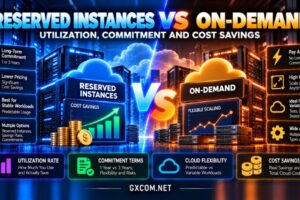
Cloud Reserved Instances vs On-Demand: Utilization, Commitment and Cost Savings
Cloud bills can grow even when an application uses the same server capacity every month. The difference often comes down to purchasing strategy: pay standard rates as resources run, or commit to eligible usage in…
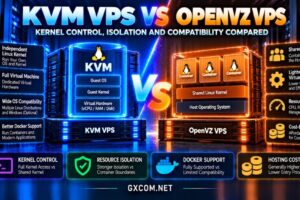
KVM VPS vs OpenVZ VPS: Kernel Control, Isolation and Compatibility Compared
Two VPS plans may advertise identical CPU cores, RAM, and NVMe storage yet behave very differently when you install Docker, change kernel settings, or deploy specialized software. The virtualization technology behind the plan can determine…
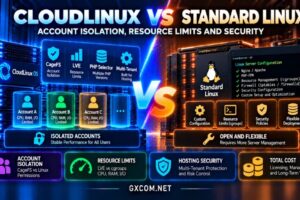
CloudLinux vs Standard Linux Hosting: Account Isolation, Resource Limits and Security
When multiple websites share one hosting server, a single overloaded account can affect neighboring customers. Sudden CPU spikes, excessive PHP processes, and poorly optimized applications may create performance problems even when the underlying hardware is…

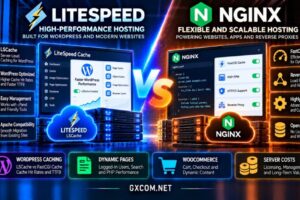
LiteSpeed vs NGINX Hosting: WordPress Caching, Dynamic Pages and Server Costs
Choosing between LiteSpeed and NGINX hosting can affect how quickly your WordPress website responds, how efficiently it handles visitors, and how much maintenance your server requires. Both technologies can deliver excellent performance, but their caching…
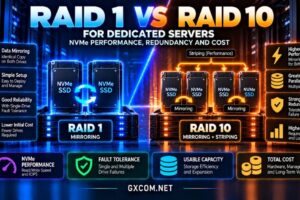
RAID 1 vs RAID 10 for Dedicated Servers: NVMe Performance, Redundancy and Cost
Two NVMe drives in RAID 1 or four drives in RAID 10? For a dedicated server buyer, the choice affects database responsiveness, usable storage, fault tolerance, and the final monthly bill. More drives can improve…
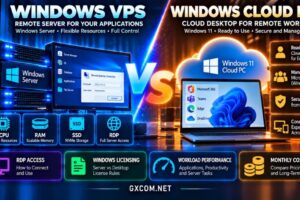
Windows VPS vs Windows Cloud PC: RDP Access, Licensing and Workload Costs
A Windows VPS and a Windows Cloud PC can both provide remote access to a Windows environment. However, they are designed for different purposes, and choosing the wrong product can create licensing problems, unnecessary expenses,…

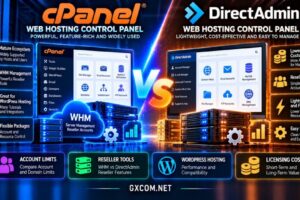
cPanel vs DirectAdmin Hosting: Account Limits, Reseller Tools and Licensing Costs
Choosing a hosting control panel affects far more than your server dashboard. It determines how you manage customer accounts, create reseller packages, automate backups, and budget for software licensing as your hosting business grows. For…
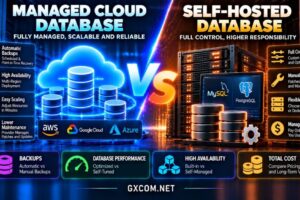
Managed Cloud Database vs Self-Hosted Database: Backups, Performance and Total Cost
A managed cloud database can eliminate much of the infrastructure maintenance involved in running MySQL or PostgreSQL. Yet its monthly bill may be considerably higher than renting a VPS and installing the database yourself. Does…
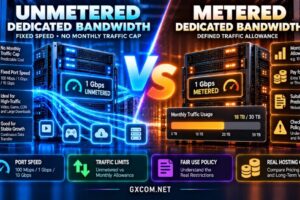
Unmetered vs Metered Dedicated Bandwidth: Traffic Limits, Fair Use and Real Costs
A dedicated server advertised with a 1 Gbps port may include only a limited monthly traffic allowance. Another server may offer 100 Mbps unmetered bandwidth without a conventional transfer cap. Which option delivers better value?…
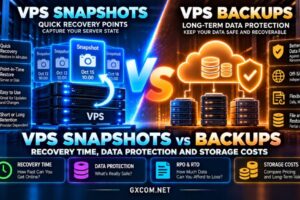
VPS Snapshots vs Backups: Recovery Time, Data Protection and Storage Costs
A VPS snapshot can restore a server after a failed update, but can it protect your business after ransomware, accidental deletion, or a storage failure? The answer depends on how the snapshot is stored, who…
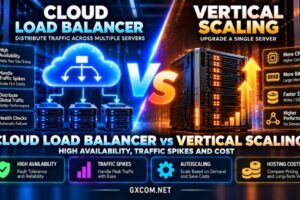
Cloud Load Balancer vs Vertical Scaling: High Availability, Traffic Spikes and Cost
Your website becomes slow during a traffic spike. Should you upgrade to a larger cloud server or place a load balancer in front of multiple smaller instances? Both approaches can improve capacity, but they solve…
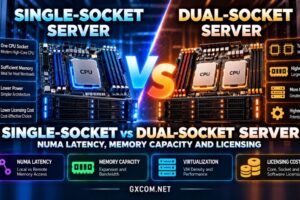
Single-Socket vs Dual-Socket Server: NUMA Latency, Memory Capacity and Licensing
Buying a dedicated server with two processors sounds like an obvious upgrade over a single-CPU machine. But two sockets do not automatically deliver twice the performance. Memory placement, application scaling, software licensing, and server architecture…
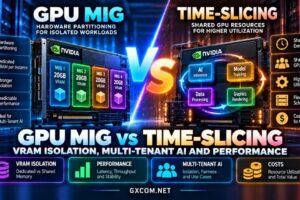
GPU MIG vs Time-Slicing: VRAM Isolation, Multi-Tenant AI and Performance
Sharing one expensive GPU across several AI applications sounds like an obvious way to reduce infrastructure costs. However, giving multiple workloads access to the same accelerator can create unpredictable latency, memory exhaustion, and noisy-neighbor problems.…