

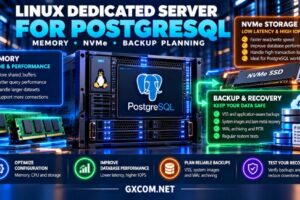
Linux Dedicated Server for PostgreSQL: Memory, NVMe and Backup Planning
Choosing a Linux dedicated server for PostgreSQL requires balancing memory capacity, processor performance, NVMe storage, and reliable recovery options. A database server with impressive specifications can still perform poorly when its storage latency, memory configuration,…

Linux Dedicated Server Security Hardening: SSH, Firewall and Kernel Updates
Linux dedicated server security hardening is essential for businesses running websites, databases, SaaS applications, and private infrastructure on physical servers. Dedicated hardware offers greater control over system configuration, but that control also creates responsibility for…

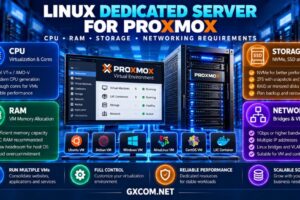
Linux Dedicated Server for Proxmox: CPU, RAM, Storage and Networking Requirements
Choosing a Linux dedicated server for Proxmox requires more than finding an inexpensive machine with plenty of CPU cores. Proxmox Virtual Environment (VE) combines KVM virtual machines, Linux containers, software-defined networking, and storage management on…
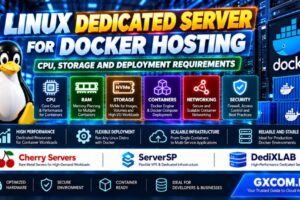
Linux Dedicated Server for Docker Hosting: CPU, Storage and Deployment Requirements
A Linux dedicated server for Docker gives developers and businesses exclusive physical hardware for running containerized applications. Unlike shared hosting, it provides direct control over the operating system, Docker Engine, storage configuration, networking, and resource…
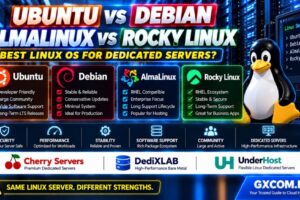
Ubuntu vs Debian vs AlmaLinux vs Rocky Linux for Dedicated Servers
Choosing the best Linux distro for a dedicated server can have a lasting impact on application compatibility, security maintenance, software deployment, and operating costs. Ubuntu, Debian, AlmaLinux, and Rocky Linux are all established options for…


Best Linux Dedicated Server Hosting: What to Look for Before You Buy
Choosing the best Linux dedicated server hosting is not just about getting the most CPU cores, RAM, or storage for your money. The right dedicated server should match your workload, support your preferred Linux distribution,…
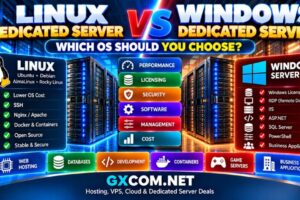
Linux Dedicated Server vs Windows Dedicated Server: Which OS Should You Choose?
Choosing between a Linux dedicated server and a Windows dedicated server affects far more than the operating system interface. Your decision influences software compatibility, licensing costs, server administration, security management, control panels, web technologies, databases,…

Linux Dedicated Server Guide: Ubuntu, Debian, AlmaLinux and Rocky Linux Compared
Choosing a Linux distribution is one of the first decisions you need to make when deploying a dedicated server. Ubuntu, Debian, AlmaLinux, and Rocky Linux can all run websites, databases, containers, APIs, hosting platforms, and…


Best Linux Dedicated Server Hosting Providers: Performance and Pricing Compared
Linux remains one of the most popular operating system choices for dedicated servers because it combines flexibility, performance, security, and extensive software support without requiring a commercial operating system license for most distributions. But choosing…

Linux Dedicated Server vs VPS: Which Hosting Solution Is Better?
Choosing between a Linux dedicated server and VPS hosting is an important decision for websites, applications and businesses that need reliable infrastructure. Both solutions provide better performance and control compared with shared hosting, but they…

Best Linux Dedicated Servers: Top Linux Hosting Providers Compared
Linux dedicated servers are a popular choice for developers, businesses and technical teams that need reliable performance, full control and flexible server configurations. Compared with shared hosting and virtual servers, dedicated Linux infrastructure provides exclusive…

Linux Dedicated Server Guide: Everything You Need to Know
Linux dedicated servers are widely used by developers, businesses and technical teams that need reliable performance, full control and flexible server configurations. Unlike shared hosting or virtual servers, a dedicated machine provides exclusive hardware resources…