

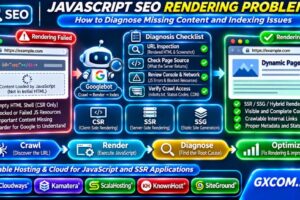
JavaScript SEO Rendering Problems: How to Diagnose Missing Content and Indexing Issues
JavaScript SEO rendering problems can prevent important website content from appearing in Google’s processed page, even when visitors see a complete layout in their browsers. Product descriptions, article text, navigation links, and metadata may depend…
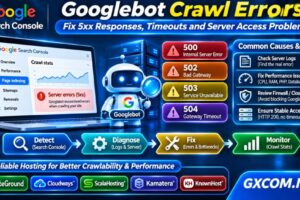
Googlebot Crawl Errors: Fix 5xx Responses, Timeouts and Server Access Problems
Googlebot crawl errors can prevent search engines from accessing important pages, especially when a website returns HTTP 5xx responses, experiences connection timeouts, or blocks legitimate crawlers. Occasional failures are not necessarily catastrophic, but persistent problems…

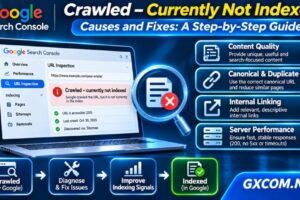
Google Search Console Crawled – Currently Not Indexed: Causes and Fixes
Seeing “Crawled – currently not indexed” in Google Search Console can be frustrating, especially when Google has already visited your page. The status means Google crawled the URL but has not included it in its…

WordPress Schema Markup Guide: How to Add Structured Data for Google
Want to help Google better understand your WordPress content? WordPress schema markup adds structured information about articles, organizations, breadcrumbs, products, and other page elements. Schema markup can make eligible pages easier for search engines to…
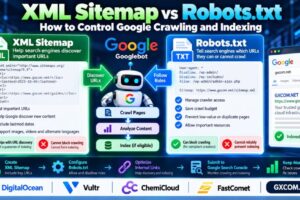
XML Sitemap vs Robots.txt: How to Control Google Crawling and Indexing
Should you use an XML sitemap or robots.txt to control how Google discovers and accesses your website? Both are essential technical SEO tools, but they perform very different functions. An XML sitemap helps search engines…

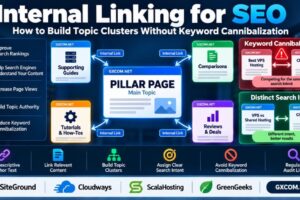
Internal Linking for SEO: How to Build Topic Clusters Without Keyword Cannibalization
Internal linking is one of the most practical ways to improve website navigation, help search engines discover related content, and organize pages around clear topics. However, adding links without a strategy can create confusing site…

How to Install an SSL Certificate: Step-by-Step HTTPS Setup Guide
Installing an SSL certificate is one of the most important steps when launching or securing a website. An SSL/TLS certificate enables HTTPS, encrypting data transmitted between a visitor’s browser and your web server. It also…
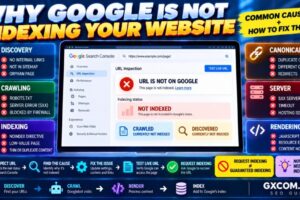
Why Google Is Not Indexing Your Website: Common Causes and How to Fix Them
You published a new page, submitted your sitemap, and perhaps even requested indexing in Google Search Console—but the page still does not appear in Google. Why? Google indexing is not automatic. Before a page can…

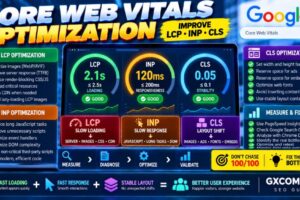
Core Web Vitals Optimization: How to Improve LCP, INP and CLS
A website can look fast and still deliver a poor user experience. Pages may take too long to display their main content, respond slowly when visitors click or tap, or unexpectedly move elements while users…
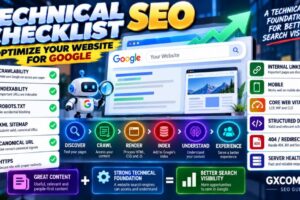
Technical SEO Checklist: How to Optimize Your Website for Google
Great content cannot perform at its full potential if search engines struggle to discover, crawl, render, index, or understand your website. That is where technical SEO becomes important. Technical SEO focuses on the infrastructure and…

Website Speed Optimization Guide: Improve Loading Time and Performance
Website speed has become an important factor for online success. A slow website can reduce user engagement, increase bounce rates and create a poor browsing experience. Modern websites require optimized hosting, efficient code, fast content…

Core Web Vitals Optimization Guide: Improve Website Speed and User Experience
Website performance has become an important part of modern SEO. A website that loads quickly and provides a smooth browsing experience can help visitors stay longer and interact more effectively. Google introduced Core Web Vitals…

Technical SEO Guide: How Hosting Performance Impacts Search Rankings
Many website owners focus on keywords, content and backlinks when improving SEO, but the technical foundation behind a website also plays an important role. Hosting performance affects website speed, server response time, availability and user…