

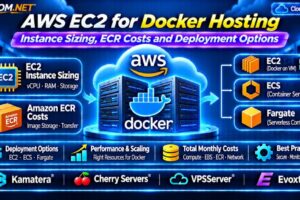
AWS EC2 for Docker Hosting: Instance Sizing, ECR Costs and Deployment Options
AWS EC2 for Docker hosting gives developers control over container runtimes, operating systems, networking, and deployment workflows. However, choosing an instance is only one part of the bill. Amazon Elastic Container Registry (ECR), EBS storage,…
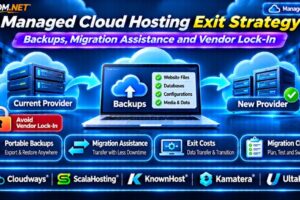
Managed Cloud Hosting Exit Strategy: Backups, Migration Assistance and Vendor Lock-In
A reliable managed cloud hosting exit strategy protects your business when pricing changes, performance declines, or a provider no longer meets your requirements. Managed hosting simplifies server administration, but convenient dashboards, automated backups, and proprietary…

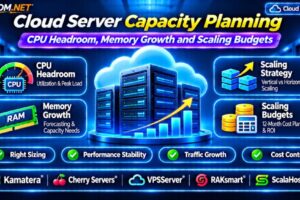
Cloud Server Capacity Planning: CPU Headroom, Memory Growth and Scaling Budgets
Cloud server capacity planning helps businesses determine how much CPU, memory, storage, and network capacity their applications need without overspending. Underprovisioned servers create slow responses and outages, while oversized infrastructure wastes money every month. Effective…
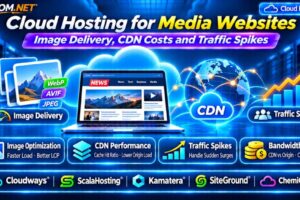
Cloud Hosting for Media Websites: Image Delivery, CDN Costs and Traffic Spikes
Cloud hosting for media websites must handle more than ordinary page views. News publishers, online magazines, photography blogs, and digital media platforms deliver image-heavy pages while responding to unpredictable traffic spikes. A breaking story can…
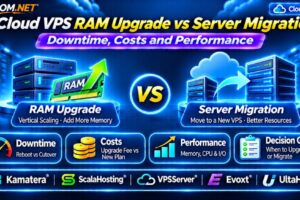
Cloud VPS RAM Upgrade vs Server Migration: Downtime, Costs and Performance
Cloud VPS RAM upgrade vs server migration is a common decision when websites, databases, or business applications begin running out of memory. Increasing RAM on an existing virtual server seems straightforward, but moving to a…

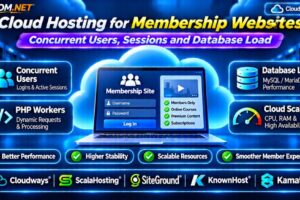
Cloud Hosting for Membership Websites: Concurrent Users, Sessions and Database Load
Cloud hosting for membership websites requires a different performance strategy from hosting an ordinary blog. Membership platforms serve logged-in users, personalized dashboards, course lessons, private communities, and subscription payments. These requests often bypass full-page caching,…
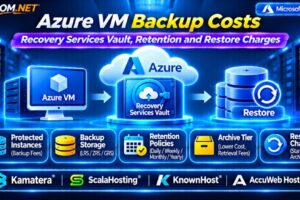
Azure VM Backup Costs: Recovery Services Vault, Retention and Restore Charges
Azure VM backup costs can become a significant recurring expense for businesses running Windows and Linux virtual machines on Microsoft Azure. Even after paying for VM compute and managed disks, enabling Azure Backup can introduce…
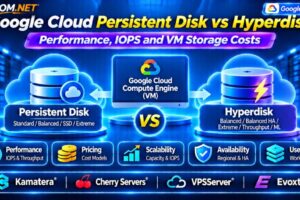
Google Cloud Persistent Disk vs Hyperdisk: Performance, IOPS and VM Storage Costs
Google Cloud Persistent Disk vs Hyperdisk is an important storage comparison for businesses running databases, SaaS applications, and performance-sensitive workloads on Compute Engine. Both provide durable block storage, but their performance controls, supported machine types,…

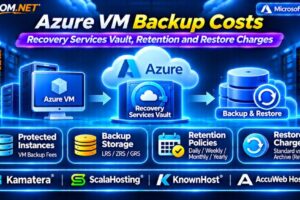
Azure VM Backup Costs: Recovery Services Vault, Retention and Restore Charges
Azure VM backup costs can surprise businesses that already pay for virtual machines, managed disks, and cloud storage. Enabling Azure Backup introduces additional charges for protected instances, retained backup data, and certain recovery-related resources. The…
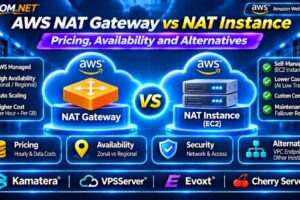
AWS NAT Gateway vs NAT Instance: Pricing, Availability and Alternatives
AWS NAT Gateway vs NAT Instance is an important comparison for businesses trying to reduce Amazon VPC networking costs without compromising application availability. Private-subnet EC2 instances often need outbound internet access for software updates, external…
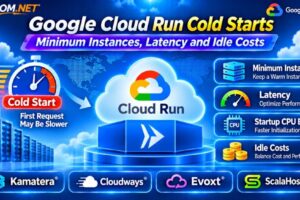
Google Cloud Run Cold Starts: Minimum Instances, Latency and Idle Costs
Google Cloud Run cold starts can cause unexpected latency when an application receives its first request after inactivity or needs additional container instances during a traffic spike. For APIs, SaaS dashboards, and customer-facing applications, these…
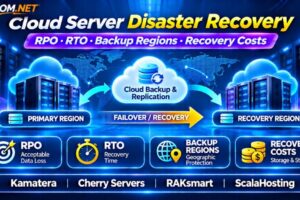
Cloud Server Disaster Recovery: RPO, RTO, Backup Regions and Recovery Costs
Cloud server disaster recovery determines how quickly a business can restore applications, databases, and customer services after infrastructure failure, accidental deletion, ransomware, or a regional outage. Having backups is important, but backups alone do not…
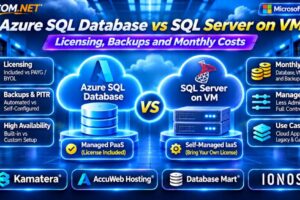
Azure SQL Database vs SQL Server on VM: Licensing, Backups and Monthly Costs
Choosing Azure SQL Database vs SQL Server on VM involves more than comparing database performance. Licensing, automated backups, operating system control, high availability, and administration expenses can significantly change the total monthly cost. Azure SQL…
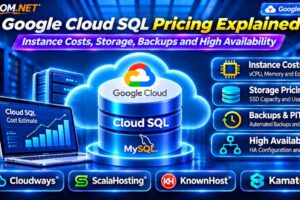
Google Cloud SQL Pricing Explained: Instance Costs, Storage, Backups and High Availability
Google Cloud SQL pricing can become difficult to predict when businesses focus on database instance size but overlook storage, backups, networking, and high availability. A managed database removes many routine administration tasks, yet each additional…
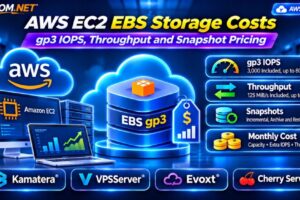
AWS EC2 EBS Storage Costs: gp3 IOPS, Throughput and Snapshot Pricing
AWS EC2 EBS storage costs can surprise businesses that focus on instance pricing while overlooking attached storage. Amazon Elastic Block Store (EBS) charges separately for provisioned capacity, certain performance settings, and snapshots. A small EC2…