

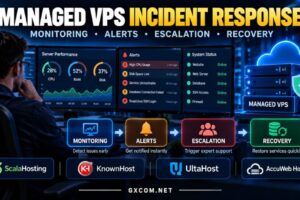
Managed VPS Incident Response: Monitoring Alerts, Escalation and Recovery
When a business website goes offline, the real cost is rarely limited to server downtime. Failed transactions, interrupted customer inquiries, lost productivity, and damaged trust can quickly become more expensive than the hosting plan itself.…

Best VPS for Developers: Staging, Docker, SSH and Deployment Flexibility
Choosing the best VPS for developers is about more than buying CPU cores and RAM. Developers need an environment where they can install dependencies, run containers, access servers through SSH, test changes safely, and deploy…

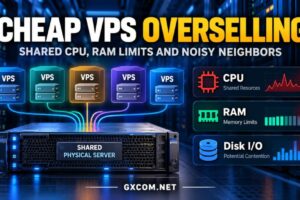
Cheap VPS Overselling Explained: Shared CPU, RAM Limits and Noisy Neighbors
A cheap VPS advertising four CPU cores, 8GB RAM, and NVMe storage can look like an incredible bargain. But why does a server with impressive specifications sometimes struggle to load a basic WordPress website? One…
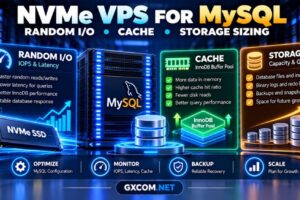
NVMe VPS for MySQL Databases: Random I/O, Cache and Storage Sizing
Choosing an NVMe VPS for MySQL databases involves more than selecting the fastest advertised storage technology. MySQL performance depends on random I/O latency, available RAM, InnoDB caching, CPU allocation, and the storage resources shared with…
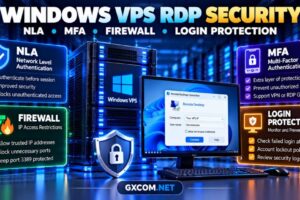
Windows VPS RDP Security: NLA, MFA, Firewall Rules and Login Protection
Windows VPS RDP security should be a priority before connecting a remote desktop server to the public internet. Remote Desktop Protocol (RDP) provides convenient Windows administration, but exposed login services can attract password guessing, credential-stuffing…

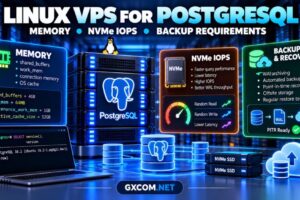
Linux VPS for PostgreSQL: Memory, NVMe IOPS and Backup Requirements
Choosing a Linux VPS for PostgreSQL requires more than comparing CPU cores and advertised storage capacity. Database performance depends on available memory, query concurrency, random disk I/O, transaction logging, and reliable recovery procedures. A poorly…
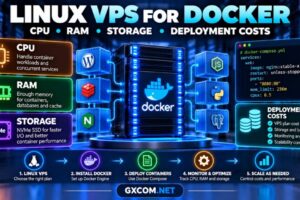
Linux VPS for Docker Containers: CPU, RAM, Storage and Deployment Costs
Choosing a Linux VPS for Docker containers requires more than counting virtual CPU cores. Containers share the host operating system kernel, but applications still consume processor time, memory, disk space, and network resources. A small…
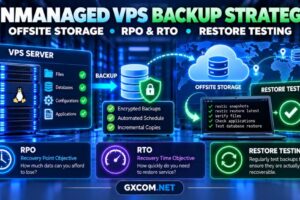
Unmanaged VPS Backup Strategy: Offsite Storage, RPO and Restore Testing
An unmanaged VPS backup strategy is essential when you operate a Linux server without a hosting provider managing your data protection. A failed disk, compromised account, accidental deletion, or broken application update can interrupt service…

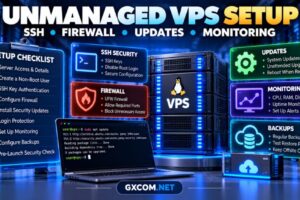
Unmanaged VPS Setup Checklist: SSH, Firewall, Updates and Monitoring
An unmanaged VPS setup checklist helps turn a newly deployed Linux server into a safer, more reliable environment. Unlike managed hosting, an unmanaged VPS generally leaves operating system maintenance, security configuration, monitoring, and recovery to…
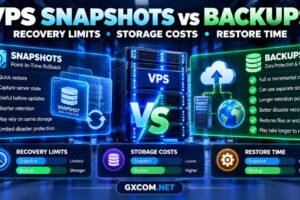
VPS Snapshots vs Backups: Recovery Limits, Storage Costs and Restore Time
VPS snapshots vs backups is an important comparison for anyone hosting websites, databases, or business applications on a virtual private server. Both technologies help recover data, but they differ in storage independence, recovery flexibility, retention,…
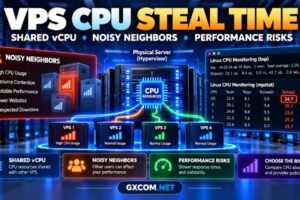
VPS CPU Steal Time Explained: Shared vCPU, Noisy Neighbors and Performance Risks
VPS CPU steal time can explain why a virtual private server feels slow even when its advertised CPU specifications appear sufficient. A VPS with four or eight virtual CPU cores may still experience inconsistent performance…
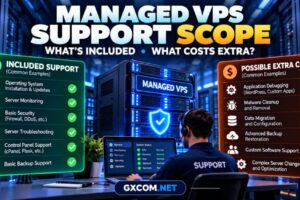
Managed VPS Support Scope: What Is Included and What Costs Extra?
Understanding the managed VPS support scope is essential before purchasing a hosting plan advertised as fully managed. Providers may include operating system updates, monitoring, and basic troubleshooting, while excluding custom applications, advanced security incidents, or…

VPS Migration Costs Explained: Data Transfer, IP Changes and Downtime
VPS migration costs extend far beyond the price of a new virtual private server. Moving websites, databases, applications, and email services between hosting providers can introduce data transfer expenses, IP address changes, technical labor, and…

Best VPS for Small Business Applications: Support, Backups and Cost Compared
Finding the best VPS for small business applications means looking beyond CPU cores, memory, and promotional prices. A business website, customer portal, booking system, or internal application needs dependable hosting, practical technical support, and recoverable…

Best VPS for SaaS Applications: CPU Isolation, Scaling and Reliability
Choosing the best VPS for SaaS applications requires more than comparing CPU cores, RAM, and advertised monthly prices. A software-as-a-service platform must deliver predictable performance as customer activity grows, while maintaining reliable access to application…