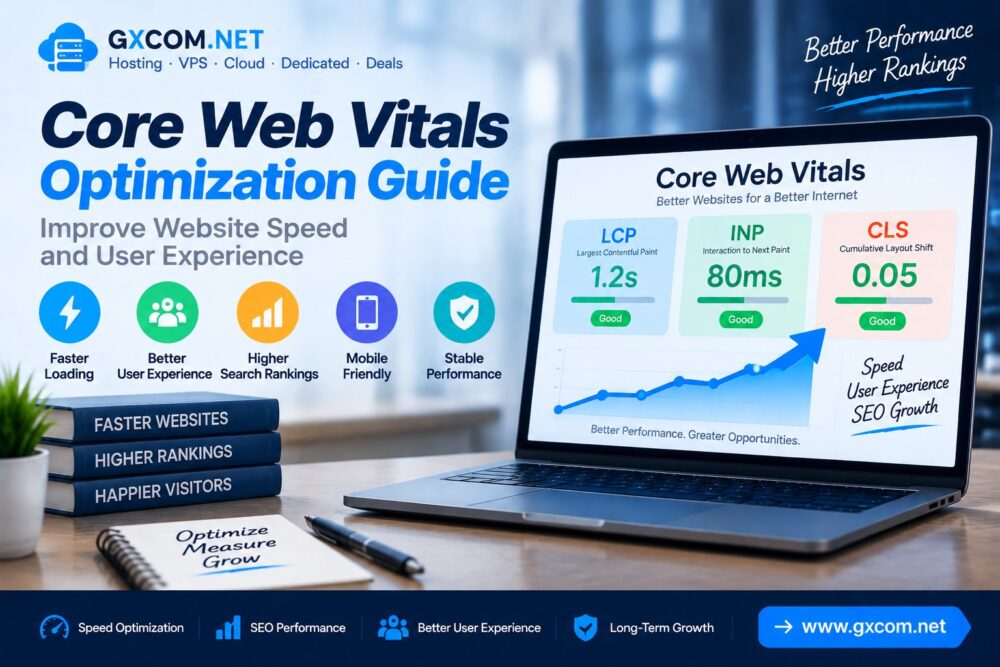
Many website owners focus on keywords, content and backlinks when improving SEO, but the technical foundation behind a website also plays an important role.
Hosting performance affects website speed, server response time, availability and user experience. These technical factors can influence how search engines evaluate website quality.
This Technical SEO Guide explains how hosting performance impacts search rankings and how website owners can optimize their infrastructure for better SEO performance.
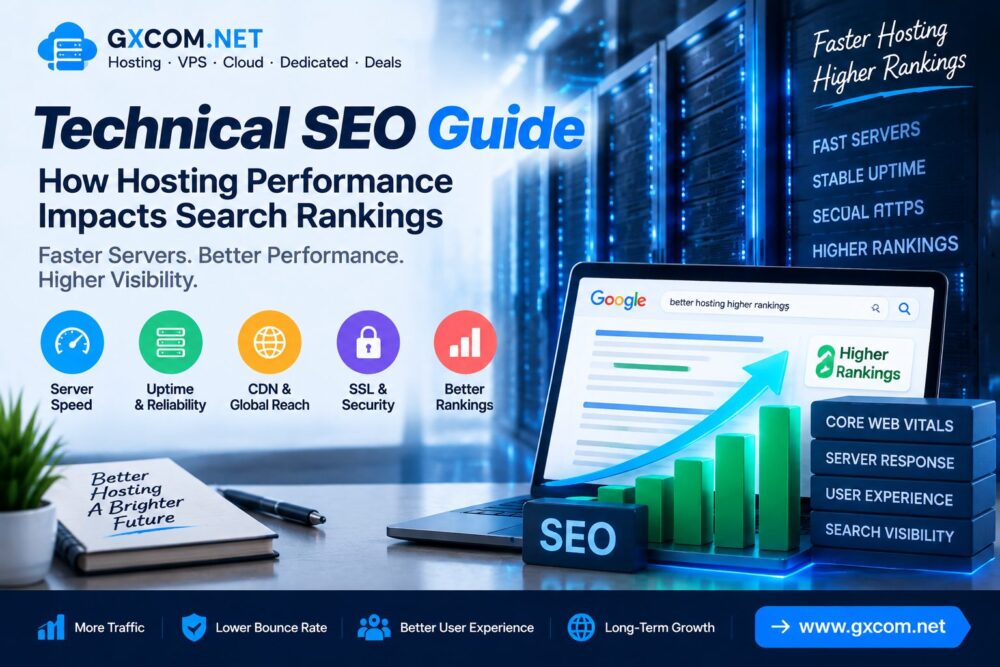
What Is Technical SEO?
Technical SEO refers to website improvements that help search engines crawl, understand and index web pages more effectively.
Unlike content SEO, technical SEO focuses on infrastructure and website performance.
Important technical SEO areas include:
- Website speed
- Server response time
- Mobile performance
- Website security
- Crawl efficiency
- Structured data
How Hosting Performance Affects SEO
Hosting is the foundation where a website operates. Poor hosting performance can create technical issues that affect visitor experience and search engine crawling.
| Hosting Factor | SEO Impact |
|---|---|
| Server Speed | Affects page loading performance |
| Uptime | Influences website availability |
| Server Location | Impacts latency |
| Resources | Affects website stability |
| Security | Protects website reputation |
1. Server Response Time and SEO
Server response time measures how quickly a server responds when users or search engines request a webpage.
A slow server can lead to:
- Longer loading times
- Poor user experience
- Lower crawling efficiency
- Higher resource limitations
Choosing reliable hosting infrastructure is an important part of technical SEO optimization.
2. Website Speed as a Ranking Factor
Website speed affects how users interact with websites. Faster websites generally provide smoother browsing experiences.
Speed optimization includes:
- Fast hosting servers
- Optimized images
- Caching systems
- Content delivery networks
- Efficient code
For WordPress users, our WordPress speed optimization guide covers practical performance improvements.
3. Core Web Vitals and Hosting Performance
Core Web Vitals measure important user experience signals related to website performance.
| Metric | Meaning |
|---|---|
| LCP | Loading performance |
| INP | User interaction response |
| CLS | Visual stability |
Hosting performance can influence Core Web Vitals by affecting server response and resource delivery.
4. Website Uptime and Search Visibility
Reliable uptime ensures visitors and search engines can access website content consistently.
Frequent downtime may cause:
- Lost visitors
- Crawling problems
- Reduced trust
- Business interruptions
5. CDN and Global SEO Performance
A Content Delivery Network distributes website resources across multiple locations.
CDN advantages include:
- Faster international access
- Reduced server load
- Improved page delivery
- Better user experience
6. Server Location and Website Latency
The physical location of hosting servers affects how quickly data travels between visitors and websites.
Choosing suitable server locations can improve:
- Page loading speed
- User experience
- Regional performance
7. SSL Security and SEO
HTTPS has become a standard requirement for modern websites.
SSL certificates provide:
- Encrypted connections
- Visitor trust
- Secure data transmission
- Modern browser compatibility
Learn more through our SSL security guides.
8. Shared Hosting vs VPS Hosting for SEO
| Hosting Type | SEO Performance Consideration |
|---|---|
| Shared Hosting | Suitable for smaller websites |
| VPS Hosting | More resources and control |
| Cloud Hosting | Flexible scalability |
| Dedicated Server | Maximum resources |
Growing websites can compare server options through our best VPS reviews.
Technical SEO Hosting Optimization Checklist
| Optimization | Recommendation |
|---|---|
| Fast Server | Required |
| SSD/NVMe Storage | Recommended |
| CDN | Recommended |
| SSL Certificate | Required |
| Regular Monitoring | Recommended |
How To Improve Hosting Performance For SEO
- Choose reliable hosting providers
- Upgrade outdated server resources
- Enable caching
- Optimize images
- Use CDN services
- Monitor website speed regularly
Common Technical SEO Hosting Mistakes
- Choosing the cheapest hosting without considering performance
- Ignoring server response time
- Using outdated software versions
- Not enabling HTTPS
- Ignoring website monitoring
Frequently Asked Questions
Does hosting affect SEO rankings?
Hosting can affect technical SEO factors such as website speed, uptime, security and user experience.
Is faster hosting better for SEO?
Faster hosting can improve website performance and provide a better experience for visitors.
Does changing hosting improve SEO?
Moving to better hosting may improve technical performance when server limitations affect website speed or reliability.
Is VPS hosting better for SEO?
VPS hosting provides more resources and control, which can benefit websites with higher traffic or performance requirements.
Final Thoughts
Technical SEO is not only about website structure and content. The hosting environment behind a website also plays an important role in performance and reliability.
Fast servers, stable uptime, secure connections and optimized infrastructure create a stronger technical foundation for search visibility.
By improving hosting performance alongside traditional SEO practices, website owners can build faster, more reliable websites for long-term growth.