


How to Install an SSL Certificate: Step-by-Step HTTPS Setup Guide
Installing an SSL certificate is one of the most important steps when launching or securing a website. An SSL/TLS certificate enables HTTPS, encrypting data transmitted between a visitor’s browser and your web server. It also…

Why Google Is Not Indexing Your Website: Common Causes and How to Fix Them
You published a new page, submitted your sitemap, and perhaps even requested indexing in Google Search Console—but the page still does not appear in Google. Why? Google indexing is not automatic. Before a page can…

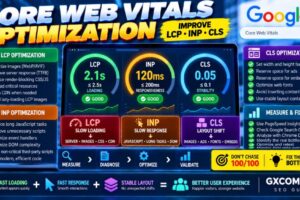
Core Web Vitals Optimization: How to Improve LCP, INP and CLS
A website can look fast and still deliver a poor user experience. Pages may take too long to display their main content, respond slowly when visitors click or tap, or unexpectedly move elements while users…

Technical SEO Checklist: How to Optimize Your Website for Google
Great content cannot perform at its full potential if search engines struggle to discover, crawl, render, index, or understand your website. That is where technical SEO becomes important. Technical SEO focuses on the infrastructure and…
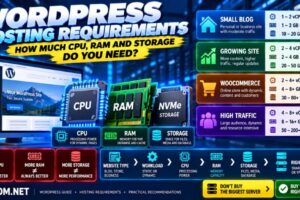
WordPress Hosting Requirements: How Much CPU, RAM and Storage Do You Need?
How much CPU, RAM and storage does WordPress actually need? The answer is not as simple as choosing a hosting plan with the largest numbers. A small WordPress blog with aggressive caching may run efficiently…

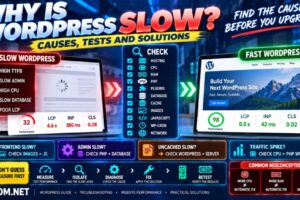
How to Fix a Slow WordPress Website: Causes, Tests and Solutions
A slow WordPress website does not automatically mean you need a faster server. The real problem could be hosting, CPU limits, PHP workers, database queries, plugins, themes, images, JavaScript, third-party services, background jobs, caching, or…
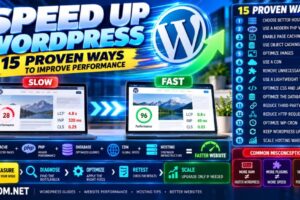
How to Speed Up WordPress: 15 Proven Ways to Improve Performance
A slow WordPress website can hurt user experience, conversions, engagement, and search performance. The good news is that you usually do not need to rebuild your entire website or immediately upgrade to an expensive server…

Cloud Performance Optimization Guide: Improve Cloud Application Speed
Cloud infrastructure has become the foundation for modern websites, applications and digital services. However, simply moving applications to the cloud does not automatically guarantee fast and reliable performance. Cloud performance optimization requires proper resource management,…


Website Performance Optimization Guide: Improve Speed and User Experience
Website performance directly affects user experience, search visibility and business results. A slow website can increase bounce rates, reduce conversions and create frustration for visitors. Modern websites require more than attractive design and quality content.…

Server Performance Optimization Guide: Improve Speed and Reliability
Server performance directly affects website speed, application responsiveness and overall user experience. Whether running a VPS, cloud server or dedicated infrastructure, optimizing server resources is essential for maintaining stable performance. A poorly optimized server can…

DDoS Protection Guide: How to Protect Websites and Servers From Attacks
DDoS attacks are one of the most common threats affecting websites, online applications and internet infrastructure. By overwhelming servers with large amounts of traffic, attackers attempt to make services unavailable to normal users. For businesses…

Linux Server Security Guide: Best Practices to Protect Your Server
Linux servers are widely used for websites, applications, databases and cloud infrastructure because of their flexibility and reliability. However, a Linux server connected to the internet can become a target for unauthorized access, malware and…

Server Security Guide: How to Protect Your VPS and Cloud Servers
Server security is one of the most important aspects of managing websites, applications and online services. As businesses increasingly rely on VPS and cloud infrastructure, protecting servers from unauthorized access, malware and cyber threats has…

Dedicated Server Guide: How to Choose the Right Dedicated Hosting Solution
As websites, applications and online businesses continue to grow, standard hosting solutions may no longer provide enough performance, control or reliability. A dedicated server provides an entire physical server exclusively for one customer, offering maximum…

VPS Server Guide: Everything You Need to Know Before Choosing a VPS
Virtual Private Servers (VPS) have become one of the most popular hosting solutions for websites, applications and online businesses that need more control and performance than traditional shared hosting. A VPS provides dedicated resources inside…