



Managed VPS for WooCommerce: PHP Workers, Redis and Checkout Performance
Choosing a managed VPS for WooCommerce is not simply about buying more RAM or faster processors. Online stores generate dynamic requests that cannot always benefit from ordinary page caching. PHP worker availability, Redis object caching,…

Cloud Hosting for Membership Websites: Concurrent Users, Sessions and Database Load
Cloud hosting for membership websites requires a different performance strategy from hosting an ordinary blog. Membership platforms serve logged-in users, personalized dashboards, course lessons, private communities, and subscription payments. These requests often bypass full-page caching,…


WordPress Hosting for Membership Sites: Logged-In Traffic, PHP Workers and Caching
Choosing WordPress hosting for membership sites is different from selecting hosting for a public blog. Members sign in, open personalized dashboards, renew subscriptions, track courses, and access protected content. Those requests often require fresh PHP…

WordPress Hosting with Redis Object Cache: Performance, Compatibility and Costs
WordPress hosting with Redis can improve the responsiveness of database-heavy websites, but Redis is not a universal speed upgrade. Its benefits depend on the workload, cache configuration, available memory, and the hosting plan. Before paying…

Cloud Hosting for WooCommerce: Checkout Performance, Caching and Scaling Costs
Choosing cloud hosting for WooCommerce requires more than comparing homepage speed scores. Product browsing can benefit from aggressive caching, but cart updates, customer accounts, and checkout requests often need dynamic processing. A store that loads…


WordPress Hosting for WooCommerce: PHP Workers, Database Load and Checkout Performance
Choosing WordPress Hosting for WooCommerce requires more than checking storage space, bandwidth, or an advertised visitor allowance. An online store handles product searches, shopping carts, customer accounts, inventory updates, and payment requests that behave differently…
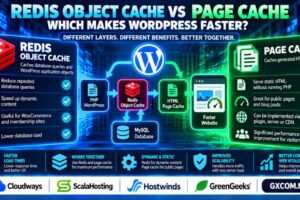
Redis Object Cache vs Page Cache: Which Makes WordPress Faster?
Caching is one of the most effective ways to improve WordPress performance, but not every caching method solves the same problem. Redis object caching and page caching operate at different layers of the application. Understanding…
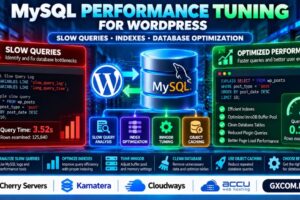
MySQL Performance Tuning for WordPress: Slow Queries, Indexes and Database Optimization
A WordPress website can have fast hosting and still suffer from slow page loads when MySQL queries become inefficient. Large database tables, missing indexes, expensive plugins, and insufficient database memory can increase response times. Effective…
