


Cheap VPS Overselling Explained: Shared CPU, RAM Limits and Noisy Neighbors
A cheap VPS advertising four CPU cores, 8GB RAM, and NVMe storage can look like an incredible bargain. But why does a server with impressive specifications sometimes struggle to load a basic WordPress website? One…
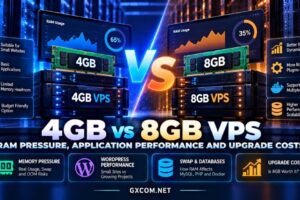
4GB vs 8GB VPS: RAM Pressure, Application Performance and Upgrade Costs
Should you buy a 4GB VPS or spend more on 8GB of RAM? For WordPress websites, online stores, Docker applications, and small databases, the answer depends on memory pressure rather than advertised visitor numbers. This…


AlphaVPS vs RackNerd: Budget KVM VPS, Resource Limits and Network Value
A cheap VPS can be excellent value until CPU contention, slow storage, or bandwidth restrictions begin affecting your applications. Two servers with similar advertised RAM and vCPU allocations may perform very differently under real workloads.…

RackNerd Budget VPS Review: Resource Limits, Network Performance and Upgrade Costs
Budget VPS hosting can look remarkably affordable when a provider offers multiple CPU cores, generous bandwidth, and an annual subscription costing less than many monthly hosting plans. But advertised resources do not always reveal how…

AlphaVPS Linux VPS Review: CPU Resources, NVMe Storage and Network Value
Choosing an affordable Linux VPS involves more than comparing virtual CPU cores, memory, and monthly prices. Processor architecture, shared-resource policies, storage performance, and network routing can determine whether a server performs reliably under real workloads.…


Windows vs Linux VPS for Game Servers: Compatibility, Performance and Management
Windows vs Linux VPS for game servers is an important decision for anyone planning to host a multiplayer game on a virtual private server. The operating system affects game compatibility, resource usage, remote administration, security…
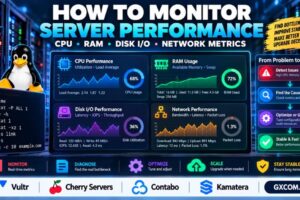
How to Monitor Server Performance: CPU, RAM, Disk I/O and Network Metrics
Is your server running slowly, consuming too much memory, or struggling during traffic spikes? Effective server performance monitoring helps you identify whether CPU, RAM, disk I/O, or network activity is responsible. Without reliable metrics, upgrading…
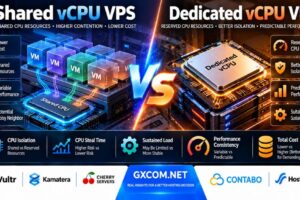
Shared vCPU vs Dedicated vCPU VPS: Performance Isolation, CPU Limits and Real Costs
Two VPS plans can advertise the same number of virtual CPUs and deliver very different performance under sustained load. A 4-vCPU server might handle occasional traffic spikes comfortably but struggle with continuous background processing. Another…

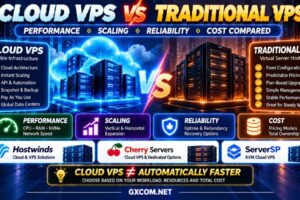
Cloud VPS vs Traditional VPS: Performance, Scaling and Cost Compared
Cloud VPS vs traditional VPS is one of the most important comparisons for businesses, developers, and website owners choosing virtual server hosting. Both solutions provide virtualized computing resources, root access, and greater control than typical…

Cheap Cloud VPS Hosting: How to Find the Best Value Cloud VPS
Cheap cloud VPS hosting can be an excellent choice for websites, developers, small businesses, and growing applications. But the cheapest virtual server is not always the most affordable option in the long run. A low-cost…
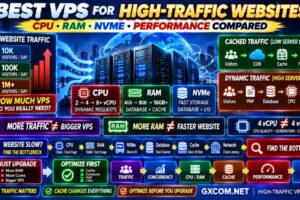
Best VPS for High-Traffic Websites: CPU, RAM and Performance Compared
How powerful does a VPS need to be for a high-traffic website? The common answer is to buy more CPU cores and more RAM as traffic grows. But website performance does not scale that simply.…

Cheap VPS vs Premium VPS: Is Paying More Actually Worth It?
A cheap VPS may cost significantly less than a premium VPS while advertising similar CPU cores, RAM and NVMe storage. So why pay more? The answer is not as simple as “premium VPS is faster.”…
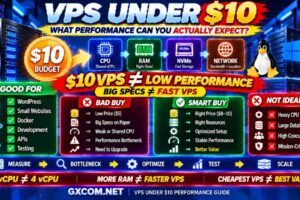
Cheap VPS Under $10: What Performance Can You Actually Expect?
A VPS under $10 per month sounds almost too cheap to be useful. Yet low-cost virtual private servers can handle surprisingly capable workloads when the server is properly sized and the application is optimized. The…
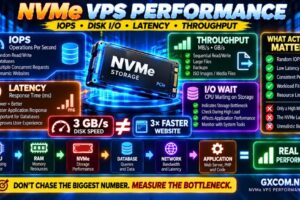
NVMe VPS Performance Explained: IOPS, Disk I/O and What Actually Matters
NVMe has become one of the most common performance claims in VPS hosting. Providers advertise NVMe storage, impressive read and write speeds, and sometimes extremely high IOPS figures. At first glance, choosing the fastest VPS…

Is NVMe VPS Worth It? Real-World Performance vs Regular SSD VPS
NVMe VPS hosting is everywhere. Hosting providers advertise NVMe storage as faster, lower-latency and better suited to modern websites and applications than traditional SSD VPS hosting. Technically, that is true: NVMe was designed to take…