


How Much Traffic Can a VPS Handle? CPU, RAM and Bandwidth Explained
How much traffic can a VPS handle? You may see estimates claiming that a VPS can support 10,000, 100,000 or even millions of visitors per month. But there is no universal visitor limit for a…

VPS vs Cloud Hosting: Performance, Scalability and Cost Compared
VPS hosting and cloud hosting are two of the most popular upgrade paths for websites and applications that need more resources than traditional shared hosting. At first glance, they can look very similar. Both can…


NVMe VPS vs SSD VPS: Performance, Speed and Cost Compared
NVMe VPS hosting has become increasingly common, with providers promising faster storage, lower latency and better server performance than traditional SSD VPS plans. But does NVMe actually make a VPS noticeably faster? The short answer…
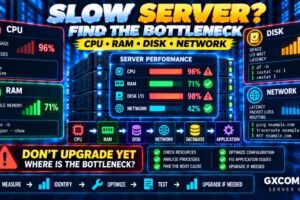
How to Troubleshoot a Slow Server: CPU, RAM, Disk and Network Bottlenecks
A slow server does not always need more CPU or RAM. Performance problems can come from CPU saturation, memory pressure, slow disk I/O, network latency, database queries, overloaded applications or resource limits imposed by the…

NVMe VPS vs SSD VPS in 2026: Speed, Performance and Real-World Differences
Storage technology can have a major impact on virtual server performance, especially for databases, ecommerce sites, Docker environments and applications that perform frequent disk operations. That makes NVMe VPS vs SSD VPS an important comparison…


Best NVMe VPS Hosting for Performance and Speed
Website speed and server performance have become increasingly important factors for modern online businesses. Whether you run a WordPress website, SaaS application, ecommerce store, database-driven platform, or development environment, storage performance can directly influence loading…