


Managed Hosting Security: Malware Removal, Patch Management and Responsibility
Managed hosting security can reduce the operational burden of protecting a website, but the word “managed” does not mean every threat is covered. A provider may maintain server software while leaving WordPress plugins, administrator accounts,…

How to Protect WordPress from Malware: Detection, Cleanup and Prevention
A hacked WordPress website can redirect visitors to suspicious pages, inject spam links, display unfamiliar advertisements, or expose sensitive information. Some infections remain hidden until search engines or security tools detect them. Effective WordPress malware…

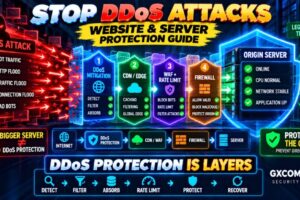
How to Prevent DDoS Attacks: Website and Server Protection Guide
A distributed denial-of-service attack can make a website, VPS or application unavailable by overwhelming network capacity, connections or server resources with more traffic than the infrastructure can handle. There is no single firewall rule or…
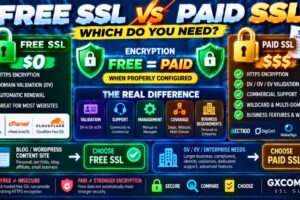
Free SSL vs Paid SSL Certificates: Differences, Security and Which Do You Need?
Do you really need to pay for an SSL certificate, or is a free SSL certificate good enough? This is one of the most common questions website owners ask when enabling HTTPS. Free SSL certificates…
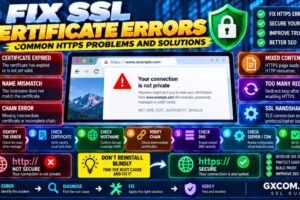
How to Fix SSL Certificate Errors: Common HTTPS Problems and Solutions
You install an SSL certificate, open your website, and expect to see a secure HTTPS connection. Instead, the browser displays a warning such as “Your connection is not private,” “Certificate expired,” “Certificate name mismatch,” or…


How to Install an SSL Certificate: Step-by-Step HTTPS Setup Guide
Installing an SSL certificate is one of the most important steps when launching or securing a website. An SSL/TLS certificate enables HTTPS, encrypting data transmitted between a visitor’s browser and your web server. It also…

DDoS Protection Guide: How to Protect Websites and Servers From Attacks
DDoS attacks are one of the most common threats affecting websites, online applications and internet infrastructure. By overwhelming servers with large amounts of traffic, attackers attempt to make services unavailable to normal users. For businesses…
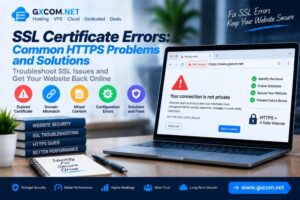
SSL Certificate Errors: Common HTTPS Problems and Solutions
SSL certificates are essential for modern websites because they protect communication between visitors and servers through HTTPS encryption. However, incorrect configuration, expired certificates, domain changes or server settings can cause SSL certificate errors that prevent…


How to Install SSL Certificate on WordPress Website
HTTPS has become a standard requirement for modern websites. Installing an SSL certificate on a WordPress website helps protect visitor data, improve trust and create a secure connection between browsers and servers. Although many hosting…

What Is an SSL Certificate? Complete HTTPS Security Guide
Website security has become an essential part of running any modern online platform. Whether it is a personal blog, business website, online store or cloud application, protecting visitor data is a basic requirement. An SSL…

WordPress Website Security Guide: How to Protect Your Site From Attacks
WordPress powers millions of websites worldwide, but its popularity also makes it a common target for automated attacks, malware attempts and security vulnerabilities. A secure WordPress website requires more than installing a security plugin. Hosting…