

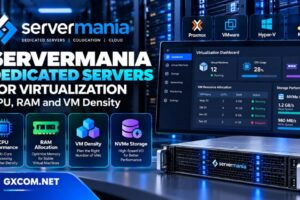
ServerMania Dedicated Servers for Virtualization: CPU, RAM and VM Density
Virtualization makes it possible to run multiple independent workloads on one physical server. However, choosing hardware for a production hypervisor requires more than counting processor cores. Memory allocation, storage latency, network throughput, and workload behavior…
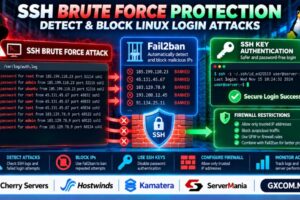
SSH Brute Force Protection: How to Detect and Block Login Attacks on Linux
Thousands of automated bots scan internet-facing Linux servers for exposed SSH services. Once they find port 22 open, they may repeatedly attempt usernames and passwords to gain unauthorized access. Effective SSH brute force protection starts…


Wildcard SSL vs Multi-Domain SSL: Which Certificate Do You Need?
Choosing between a Wildcard SSL certificate and a Multi-Domain SSL certificate can be confusing, especially when you manage multiple websites, subdomains, or cloud applications. Both certificates secure HTTPS connections, but they differ in hostname coverage,…
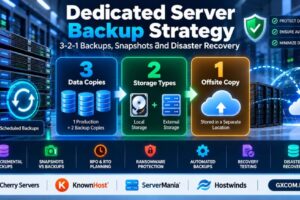
Dedicated Server Backup Strategy: 3-2-1 Backups, Snapshots and Disaster Recovery
A dedicated server gives you control over hardware resources, applications, and data. But what happens if its storage fails, a database becomes corrupted, or ransomware encrypts your files? Without a reliable dedicated server backup strategy,…

How Much RAM Does a Dedicated Server Need? Workload Sizing Guide
How much RAM does a dedicated server need? Is 16GB enough, or should you choose 32GB, 64GB, or even 128GB? The answer depends on your workload. Too little memory can cause slow applications, excessive swapping,…

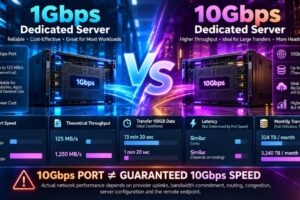
10Gbps vs 1Gbps Dedicated Server: Bandwidth, Port Speed and Real Network Performance
A dedicated server advertised with a 10Gbps network port sounds significantly faster than a server with a 1Gbps connection. In theory, the port supports ten times the line rate. But does that translate into ten…
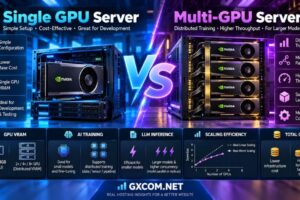
Single GPU vs Multi-GPU Server: AI Training, Inference Scaling and Infrastructure Costs
Adding more GPUs sounds like an obvious way to accelerate artificial intelligence workloads. If one GPU can train or serve a model, four GPUs should be four times faster—or so the assumption goes. Real-world AI…
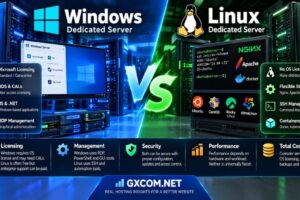
Windows vs Linux Dedicated Server: Licensing, Management and Total Cost Compared
Choosing between a Windows and Linux dedicated server is not simply a matter of personal preference. The operating system affects application compatibility, licensing obligations, server administration, security workflows, and the total cost of running a…


Cherry Servers vs ServerMania: Dedicated Server Hardware, Network Quality and Support Compared
Two dedicated server providers can offer similar AMD EPYC processors, NVMe storage, and high-speed network ports while delivering very different purchasing and operating experiences. One may emphasize rapid bare-metal deployment, API-driven infrastructure, and flexible billing.…
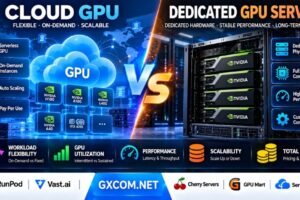
Cloud GPU vs Dedicated GPU Server: AI Workload Flexibility, Utilization and Total Cost
Should you rent GPUs from a cloud platform or choose a dedicated GPU server for artificial intelligence? The answer depends on more than GPU specifications or advertised hourly prices. AI workloads have very different resource…

ServerMania Dedicated Server Review: Custom Hardware, Bandwidth and Management Options
This ServerMania dedicated server review examines custom hardware configurations, bandwidth options, deployment flexibility, network management, operating systems, and the responsibilities involved in running physical server infrastructure. Dedicated servers remain relevant for businesses that need predictable…

Latest Dedicated Server Promotions: Limited-Time Bare Metal Offers
Dedicated server promotions can help businesses, developers, hosting providers, and infrastructure teams reduce the cost of renting physical bare metal hardware. But a limited-time discount is only worthwhile when the server delivers the CPU performance,…

Best Dedicated Server Deals: Cheap Bare Metal Offers Compared
Cheap dedicated servers can deliver excellent value when you need physical CPU resources, large amounts of RAM, dedicated storage, predictable performance, or greater control than a VPS can provide. But the best dedicated server deals…

Best Black Friday Dedicated Server Deals: Bare Metal Discounts Compared
Black Friday can be one of the best times to rent dedicated server infrastructure, but the biggest advertised discount does not always mean the lowest server cost. Dedicated hosting providers price their servers very differently.…
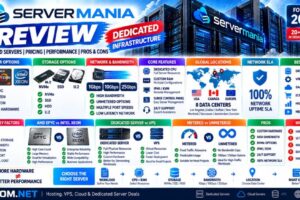
ServerMania Review: Dedicated Servers, Pricing, Performance and Pros & Cons
ServerMania is an infrastructure hosting provider with a long history in dedicated servers. Founded in 2002, the company began offering dedicated server hosting in 2003 and has since expanded into cloud infrastructure, colocation, high-bandwidth servers,…