Cheap VPS renewal costs can turn an attractive hosting promotion into a surprisingly expensive long-term commitment. A virtual private server advertised at a low monthly equivalent may require annual prepayment, exclude essential services, or renew under different conditions.
For website owners, developers, and small businesses, the important number is not simply the introductory rate. It is the total amount paid to keep a usable server running over the next 12 or 24 months.
This guide explains how promotional pricing works, which additional charges matter, and how to compare budget VPS offers without confusing a low headline price with genuine long-term value.

Why Cheap VPS Renewal Pricing Matters
Budget hosting promotions often emphasize the smallest available monthly equivalent. However, that figure may reflect a longer billing commitment rather than a month-to-month subscription.
Three prices deserve separate attention:
- Introductory price: The discounted amount charged during the initial term.
- Renewal price: The rate applicable when the subscription continues.
- Configured price: The amount including required software, backups, IP addresses, and management.
These figures may be identical, but buyers should never assume that they are.
For a broader explanation of hardware and service pricing, read our VPS hosting cost breakdown.
Introductory VPS Pricing vs Renewal Pricing
An introductory promotion reduces the initial purchase cost. It does not necessarily guarantee the same rate indefinitely.
Providers may offer discounts for the first billing cycle, annual promotions, coupon-based purchases, or specific configurations. Some offers have distinct renewal terms, while others maintain the same recurring price.
Before ordering, confirm whether the displayed amount is:
- A recurring monthly rate.
- A monthly equivalent of an annual payment.
- A first-term promotional discount.
- A limited configuration or location-specific offer.
Also verify whether renewal happens automatically and whether advance notice is required to cancel.
Monthly, Annual and Multi-Year VPS Billing
Longer billing terms can reduce the effective monthly cost, but they also increase the amount committed upfront.
| Billing Term | Main Advantage | Main Risk |
|---|---|---|
| Monthly | Flexibility to switch | Potentially higher effective rate |
| Quarterly | Moderate commitment | Less flexibility than monthly |
| Annual | Possible promotional savings | Upfront payment and unused months |
| Multi-year | Potentially lower effective price | Long commitment and changing needs |
Annual billing can be reasonable for a proven workload. Monthly billing is often safer when testing unfamiliar infrastructure or uncertain application requirements.
How to Calculate the Real VPS Renewal Cost
Consider a hypothetical hosting offer with a discounted first year and a higher second-year rate.

| Cost Component | Year One | Year Two |
|---|---|---|
| Base VPS subscription | $60 | $108 |
| Backup service | $24 | $24 |
| Additional IPv4 | $12 | $12 |
| Setup fee | $10 | $0 |
| Annual total | $106 | $144 |
The combined two-year cost is $250, equivalent to approximately $10.42 per month. That is considerably different from the advertised first-year base rate of $5 per month.
These numbers are illustrative, not actual quotations from any hosting provider.
Two-year total cost = initial subscription + renewal charges + required add-ons + setup fees.
Hidden Add-ons That Increase VPS Costs
Backup and Snapshot Fees
Some inexpensive plans exclude automated backups. Others charge for snapshot storage, retention, or recovery services.
Compare backup frequency, offsite storage, restoration procedures, and whether deleted servers retain recoverable copies.
Control Panel Licenses
Commercial panels such as cPanel, Plesk, or DirectAdmin may require separate subscriptions. Their cost can exceed the rental price of a very small Linux VPS.
Users comfortable with SSH may avoid some panel expenses, but administration time still has value.
IPv4 and Network Charges
Check whether a public IPv4 address is included. Additional addresses, bandwidth overages, or premium network options may increase recurring expenses.
Operating System Licensing
Linux distributions commonly used for VPS hosting generally avoid commercial operating system fees. Windows Server deployments may require additional licensing.
Buyers considering Microsoft workloads should review our Windows VPS resource and licensing considerations before comparing Linux and Windows prices.
Managed Support
Low-cost self-managed hosting usually places responsibility for software updates, application failures, monitoring, and security on the customer.
Optional management services can change the total bill substantially. Verify exactly what support includes before treating two plans as equivalent.
Four Budget VPS Providers Worth Comparing
Different providers emphasize different purchasing models. Rather than selecting a universal winner, compare the terms that matter for your workload.
RackNerd: Promotional Annual VPS Offers
RackNerd is relevant for buyers considering budget Linux VPS plans and promotional annual billing. Its offers can be attractive for small websites, development, and lightweight self-hosted applications.
Pay particular attention to the exact product, renewal terms, included resources, and refund conditions. Our RackNerd budget VPS review provides additional purchasing context.
Contabo: Resource-Focused VPS Configurations
Contabo is worth considering when RAM and storage capacity are important relative to the advertised subscription cost.
Review setup charges, backup options, regional availability, billing periods, and renewal conditions. Large resource allocations alone do not establish application performance.
InterServer: Compare Recurring Billing Terms
InterServer is a useful comparison candidate for buyers prioritizing understandable recurring charges and configuration options.
Verify the applicable product terms, operating system selection, optional services, and any changes associated with upgrades.
VPSDime: Evaluate Budget Resource Value
VPSDime is another option to research for cost-sensitive Linux workloads. Compare CPU policies, RAM, storage, network allowances, and the total amount payable over your intended term.
For all four providers, confirm current terms directly before purchase; promotional availability and billing policies can change.
Cheap VPS vs Good-Value VPS
The least expensive plan is not always the most economical.
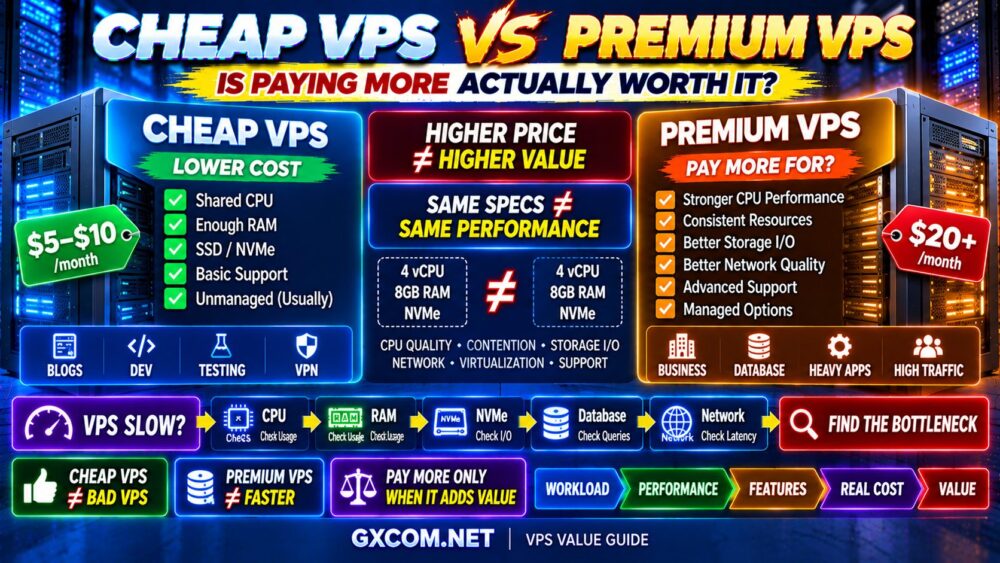
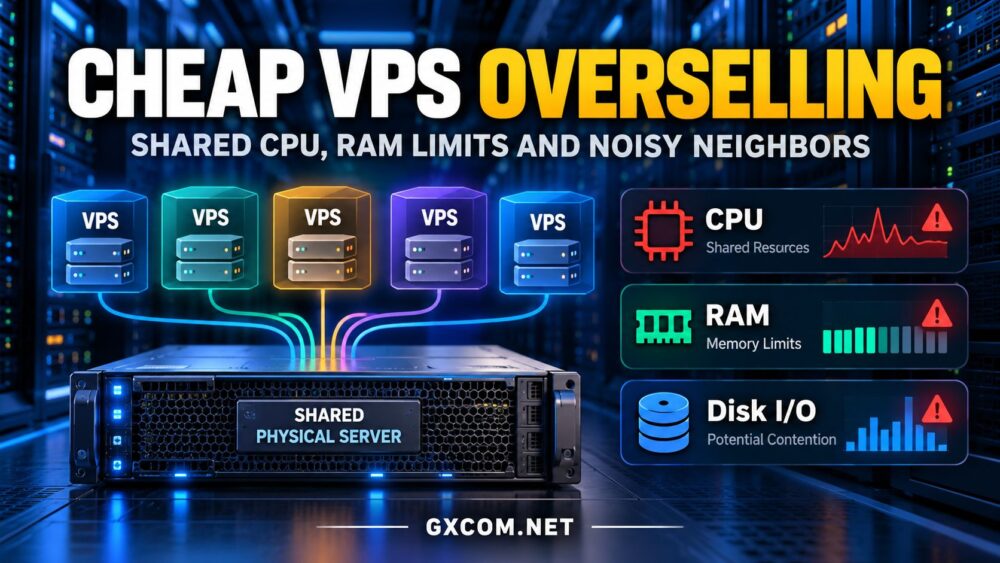
A budget VPS may become poor value when CPU contention, limited storage performance, unreliable backups, or insufficient support creates additional operational work.
Compare the total cost against the resources and service level your application actually needs. Our cheap VPS provider comparison can help narrow the shortlist.
Questions to Ask Before Paying
- Is the advertised price recurring or promotional?
- What exact amount will be charged at renewal?
- Does the offer require annual or multi-year prepayment?
- Are setup fees or regional surcharges applicable?
- Are backups, IPv4, and control panels included?
- What happens to unused prepaid months after cancellation?
- Can the server be upgraded without losing promotional terms?
- Are refunds available for this specific product?
Keep a copy of the checkout summary and applicable billing terms. These records make later renewal comparisons easier.
When Should You Switch VPS Providers?
A higher renewal rate does not automatically justify migration. Moving applications can introduce downtime, configuration work, IP changes, and troubleshooting costs.
Switch when the expected savings or operational improvements exceed the realistic migration expense and risk.
Before renewing, compare the current subscription with relevant VPS deals and promotional offers, while checking whether discounts apply only to new customers.
Frequently Asked Questions
Do cheap VPS plans always renew at a higher price?
No. Some plans retain their recurring rates, while introductory promotions may expire. The applicable contract determines the renewal amount.
Is annual VPS billing cheaper?
It can reduce the effective monthly price, but savings depend on the offer and whether the server remains useful throughout the prepaid term.
Are VPS backups included?
Not necessarily. Backup services, snapshots, and offsite storage may be included, optional, or entirely customer-managed.
Can I cancel before renewal?
Cancellation rules vary. Check automatic renewal settings, notice periods, and refund eligibility before purchasing.
Final Verdict
Cheap VPS renewal costs should be evaluated over the full expected hosting period, not just the first invoice.
Compare introductory discounts, renewal rates, billing commitments, essential add-ons, and migration flexibility. A slightly higher recurring price can offer better value when it includes services your application genuinely requires.
The smartest budget hosting purchase is not simply the lowest advertised rate. It is a server whose long-term cost, performance, and responsibilities remain acceptable after the promotion ends.