

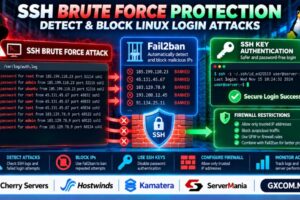
SSH Brute Force Protection: How to Detect and Block Login Attacks on Linux
Thousands of automated bots scan internet-facing Linux servers for exposed SSH services. Once they find port 22 open, they may repeatedly attempt usernames and passwords to gain unauthorized access. Effective SSH brute force protection starts…

Unmanaged VPS Security Checklist: 15 Things to Do After Deployment
You just deployed a new unmanaged VPS. The server is online, you have the IP address, and SSH access works. It can be tempting to immediately install WordPress, Docker, a database or your application stack.…


SSH Security Best Practices: How to Protect Your Linux Server
SSH is one of the most important administrative interfaces on a Linux server—and one of the first services attackers may probe when a server receives a public IP address. A weak password, exposed root account,…

Best DDoS Protected VPS Providers: Hosting With DDoS Protection Compared
A powerful VPS is not much use if a traffic attack can knock your website, application or game server offline. That is why DDoS protection should be part of the buying decision when choosing VPS…
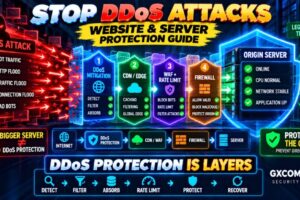
How to Prevent DDoS Attacks: Website and Server Protection Guide
A distributed denial-of-service attack can make a website, VPS or application unavailable by overwhelming network capacity, connections or server resources with more traffic than the infrastructure can handle. There is no single firewall rule or…

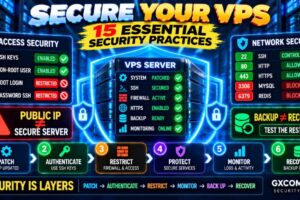
How to Secure a VPS: 15 Essential Server Security Best Practices
A VPS gives you far more control than shared hosting—but that control also means you are responsible for protecting the server. A newly deployed VPS can be exposed to automated scans, brute-force login attempts, vulnerable…

Linux Server Setup Guide: Security, SSH, Firewall and Essential Configuration
A fresh Linux server may be online within minutes, but that does not mean it is ready for production. Before deploying WordPress, a database, API, web application or other workload, you should configure the operating…

DDoS Protection Guide: How to Protect Websites and Servers From Attacks
DDoS attacks are one of the most common threats affecting websites, online applications and internet infrastructure. By overwhelming servers with large amounts of traffic, attackers attempt to make services unavailable to normal users. For businesses…


Server Security Guide: How to Protect Your VPS and Cloud Servers
Server security is one of the most important aspects of managing websites, applications and online services. As businesses increasingly rely on VPS and cloud infrastructure, protecting servers from unauthorized access, malware and cyber threats has…