


Shared Hosting Resource Limits Explained: CPU, RAM, I/O and Entry Processes
Shared hosting is an affordable way to launch a website, but every shared server has finite resources. Even when a plan advertises generous storage or bandwidth, your account may still face restrictions on CPU usage,…
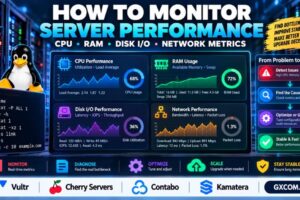
How to Monitor Server Performance: CPU, RAM, Disk I/O and Network Metrics
Is your server running slowly, consuming too much memory, or struggling during traffic spikes? Effective server performance monitoring helps you identify whether CPU, RAM, disk I/O, or network activity is responsible. Without reliable metrics, upgrading…


NVMe VPS Performance Explained: IOPS, Disk I/O and What Actually Matters
NVMe has become one of the most common performance claims in VPS hosting. Providers advertise NVMe storage, impressive read and write speeds, and sometimes extremely high IOPS figures. At first glance, choosing the fastest VPS…

NVMe VPS vs SSD VPS: Performance, Speed and Cost Compared
NVMe VPS hosting has become increasingly common, with providers promising faster storage, lower latency and better server performance than traditional SSD VPS plans. But does NVMe actually make a VPS noticeably faster? The short answer…

Shared Hosting Limitations: CPU, RAM, I/O and Resource Limits Explained
Shared hosting is affordable, easy to use and powerful enough for millions of small websites. But every shared hosting account has limits—even when a plan advertises “unlimited” or “unmetered” features. The limits that matter most…


How to Troubleshoot a Slow Server: CPU, RAM, Disk and Network Bottlenecks
A slow server does not always need more CPU or RAM. Performance problems can come from CPU saturation, memory pressure, slow disk I/O, network latency, database queries, overloaded applications or resource limits imposed by the…