

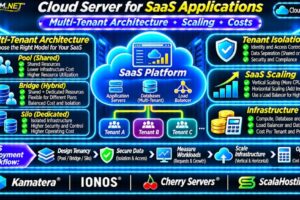
Cloud Server for SaaS Applications: Multi-Tenant Architecture, Scaling and Costs
Choosing a cloud server for SaaS applications involves more than selecting CPU cores and RAM. A subscription platform must serve multiple customers, isolate their data, handle unpredictable demand, and maintain sustainable infrastructure costs as revenue…
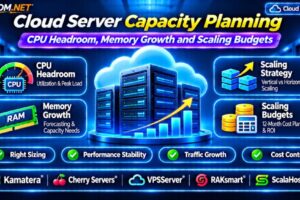
Cloud Server Capacity Planning: CPU Headroom, Memory Growth and Scaling Budgets
Cloud server capacity planning helps businesses determine how much CPU, memory, storage, and network capacity their applications need without overspending. Underprovisioned servers create slow responses and outages, while oversized infrastructure wastes money every month. Effective…

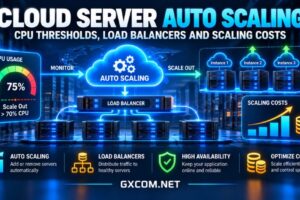
Cloud Server Auto Scaling: CPU Thresholds, Load Balancers and Scaling Costs
How Cloud Server Auto Scaling Works Cloud server auto scaling helps applications adjust computing capacity when traffic or processing demand changes. Instead of permanently paying for enough servers to handle the busiest hour, businesses can…
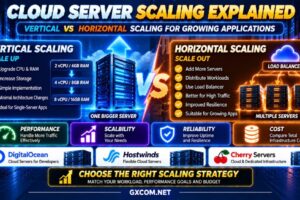
Cloud Server Scaling Explained: Vertical vs Horizontal Scaling for Growing Applications
Cloud server scaling becomes essential when an application starts receiving more traffic, processing larger workloads, or serving more customers. But when your current infrastructure reaches its limits, should you upgrade one server or deploy several…